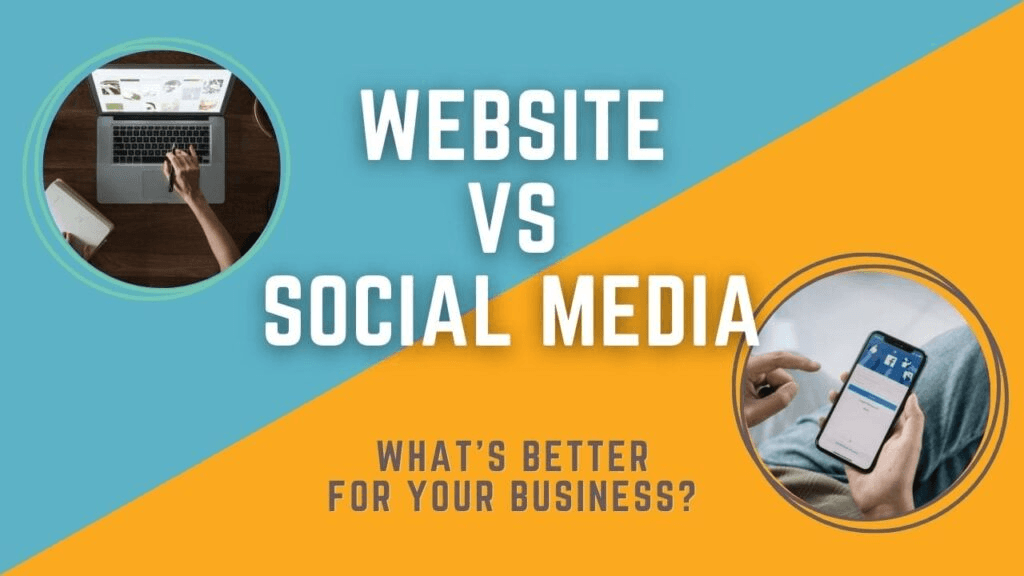
A common question I hear from business owners in Nairobi, Kiambu, Mombasa, and across Kenya is this: “Should I invest in a website or just focus on social media?”
It makes sense to ask. Social media is free to start. You can create a Facebook page in five minutes. Instagram and TikTok feel modern and engaging. You see competitors posting daily and getting comments. So why bother with a website?
The short answer is that this is the wrong question. The real question is not which one is better, but how they work together. However, to understand that, you first need an honest look at what each platform truly offers and where each one falls short.
Let me break this down from a professional perspective so you can make an informed decision for your business in 2026.
The Pros of Social Media for Kenyan Businesses
Social media has genuine advantages that no business should ignore.
Low Barrier to Entry
You can create a Facebook or Instagram page at zero cost. There is no technical knowledge required. You can post a photo of your product within minutes of deciding to sell online.
Built-in Audience
Platforms like Facebook and TikTok already have millions of Kenyan users. You do not have to convince people to visit a new domain. They are already scrolling, and your content can appear in front of them.
Direct Engagement
Customers can comment, message, and react to your posts. That immediate interaction builds a sense of community. You can answer questions publicly, showcase happy customers, and show the human side of your business.
Viral Potential
A single well-crafted post or video can be shared hundreds or thousands of times. This organic reach, when it happens, can bring you more visibility than any paid advert.
Limitations of Social Media That Most Business Owners Overlook
For all its benefits, social media has serious weaknesses that make it a dangerous foundation for a serious business.
You Do Not Own Your Audience
This is the most critical point. Facebook, Instagram, or TikTok can change their algorithm tomorrow and reduce your reach to nearly zero. They can suspend your page for an alleged violation with no right to appeal. They can introduce new fees or remove features. You are a guest in their house, and they change the rules whenever they want.
When you build your entire online presence on social media, you are building on rented land. One policy change can wipe out years of work overnight.
Poor Discoverability for Serious Buyers
Most people do not use social media as a search engine for finding trustworthy service providers. When someone needs a lawyer, an accountant, a contractor, or a medical professional, they go to Google. They search for a website. A social media page, especially one with irregular posts, does not inspire the same confidence.
Limited Information Display
A social media bio gives you a few lines of text. You cannot properly display your pricing, your terms of service, your refund policy, your detailed product catalogue, or your company history. Customers have to scroll through posts or send messages to get basic answers. This friction costs you sales.
Distraction-Heavy Environment
When a customer visits your social media page, they are one click away from a funny video, a friend’s photo, or a news headline. Your business is competing for attention against everything else on that platform. A website has no distractions. The visitor is focused entirely on your offering.
The Benefits of a Website That Social Media Cannot Replace
A website solves almost every limitation of social media while offering unique advantages of its own.
Complete Ownership
You own your domain name, your hosting, your content, and your customer data. No algorithm can hide you. No platform can shut you down arbitrarily. You control everything. This is the foundation of a sustainable online presence.
Credibility and Trust
A professional website with your address, phone number, registration details, and customer testimonials signals a legitimate business. In Kenya, where online scams are a real concern, a website separates serious businesses from casual sellers.
Search Engine Visibility
Google cannot index your Instagram posts effectively. But it can index every page of your website. This means when customers search for “best salon in Westlands” or “affordable laptops Nairobi,” your website can appear at the top of the results. Social media cannot do this.
24/7 Sales and Information
Your website works while you sleep, while you are on holiday, and while you are busy serving other customers. Product descriptions, prices, contact forms, and booking systems are always available. This passive availability brings you customers you would otherwise miss.
Scalability
A website can grow with your business. Start with five pages, add a blog, then add an online store, then add a customer portal. Social media pages have limited room for expansion. A website can handle thousands of products, hundreds of pages, and complex functionality without breaking.
Data and Analytics
With a website, you can see exactly how many people visit, which pages they view, how long they stay, and what actions they take. This data helps you make better business decisions. Social media analytics are basic and often hide the most valuable insights behind paywalls.
The Best Strategy: Use Both Platforms Together
After reading the points above, you might think I am against social media. I am not. The smartest approach for any Kenyan business is to use a website as your foundation and social media as your amplifier.
Here is how this works in practice.
Your website is your home. It contains everything a customer needs to know: your full product catalogue, your pricing, your story, your contact details, and your policies. It is permanent, professional, and fully owned by you.
Your social media pages are your megaphones. You use them to drive attention back to your website. Post a photo of a new product on Instagram, but link to the website page where customers can buy it. Share a customer testimonial on Facebook, but direct people to the website for more details. Run a TikTok video showing behind-the-scenes of your business, but include your website link in the bio.
This combination gives you the best of both worlds. Social media brings you discovery and engagement. The website converts that attention into trust and sales.
The businesses that fail are the ones that choose one or the other. Those that rely only on social media are vulnerable to algorithm changes and look unprofessional to serious buyers. Those that have a website but ignore social media miss out on free organic reach and community building.
Conclusion: Stop Debating, Start Building
The question “website versus social media” is a false choice. You need both. But you must understand the hierarchy.
Your website is your primary asset. It is the one piece of your online presence that you fully control. It is what gives you credibility on Google. It is what converts strangers into paying customers.
Social media is a powerful tool for driving traffic and building relationships. But it is a tool, not a foundation. Build your house on land you own, not on land you rent.
If you have been relying only on a Facebook page or an Instagram account, you are taking a serious risk. One platform change could erase your business’s online presence overnight. Add a website to that foundation, and you protect yourself while also attracting more customers.
Get a Free Quote for Your Business Website
Based in Nairobi, I help businesses across Kenya build professional websites that work alongside their social media. Whether you need a simple five-page site or a full e-commerce store, I provide clear pricing, no hidden fees, and honest advice.
Stop letting your competitors with websites capture customers who should be yours. Take control of your online presence today.
Contact me for a free, no-obligation quote. Tell me about your business, and I will show you exactly what a website can do for you.
Get a Free Quote now and build a foundation that no algorithm can take away.